 Freeman Health System has agreed to pay $9.3 million resolve allegations that it knowingly providing incentive pay to physicians who referred patients to the hospital system. The settlement resolves claims by the U.S. government that such incentive payments violated the False Claims Act and Stark Law. The Stark Law prohibits a hospital from billing Medicare for certain services referred by physicians that have a financial relationship with the hospital. A prohibited financial relationship includes when physician is compensated based on the volume of the physician’s referrals or the revenue realized through those referrals. The Stark Law is intended to ensure that physicians make referrals for health care services based solely on the medical needs of their patients rather than any financial incentives. When the Stark Law is violated, any claims made to Medicare or Medicaid for the services provided are considered "false claims" under the False Claims Act as well. Freeman voluntarily disclosed to the government that a number of its physicians were eligible for incentive compensation that may have taken into account the value and volume of their referrals. Based on an investigation following the self-disclosure, the government alleged that the hospital system knowingly compensated some of its physicians in a manner that violated the Stark Law. Specifically, the government alleged that the hospital system provided incentive pay to 70 physicians based on the revenue generated by the physicians’ referrals for diagnostic testing and other services performed. Because the hospital system self-reported the questionable incentive payments, this case was handled by the Civil Division of the U.S. Justice Department. Had this been a criminal matter, the responsible parties at the hospital could have faced significant prison sentences. If you are aware of questionable financial relationships or false claims submitted to Medicare or Medicaid, then you should consult with an experienced health care attorney immediately to protect your rights. To schedule a free and confidential consultation by telephone or in person, call my office today at (917) 652-6504 or click here to communicate with me via email. John Howley New York, New York The information you obtain at this site is not, nor is it intended to be, legal advice. You should consult an attorney for advice regarding your individual situation. I invite you to contact our law offices and welcome your calls, letters and electronic mail. Contacting us does not create an attorney-client relationship. Please do not send any confidential information to us until such time as an attorney-client relationship has been established. I practice law and offer legal services only in jurisdictions where I am properly authorized to do so. I do not seek to represent anyone in any jurisdiction where this web site does not comply with applicable laws and bar rules.
0 Comments
Your comment will be posted after it is approved.
Leave a Reply. |
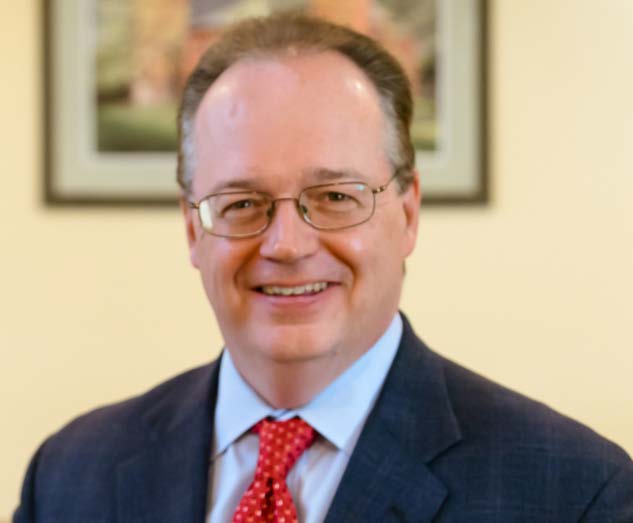
John Howley, Esq.
350 Fifth Avenue 59FL New York, NY 10118 (212) 601-2728 |